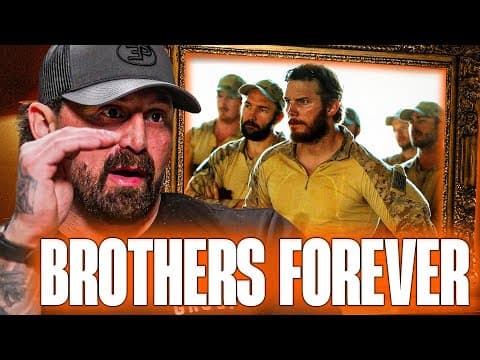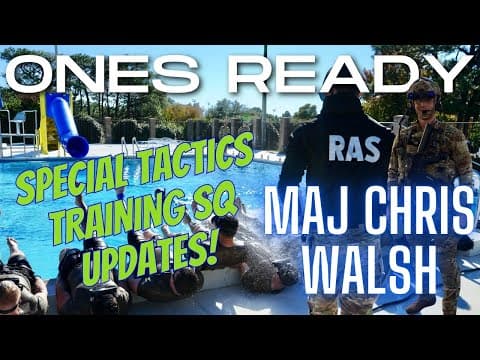
Lt. Col. Chris Walsh discusses the evolution of the Special Tactics Training Squadron (STTS), focusing on changes in training protocols, the importance of adapting to modern warfare, and the need for a cohesive team approach in Air Force Special Operations.
In a recent episode of the Ones Ready podcast, Lt. Col. Chris Walsh, the commander of the Special Tactics Training Squadron (STTS), shared valuable insights into the ongoing transformation of training protocols within the Air Force Special Operations community. This blog post summarizes the key points discussed during the episode, highlighting the challenges and innovations in training for special tactics personnel.
Lt. Col. Chris Walsh joined the Air Force in 2009, initially serving as an aircraft maintenance officer before transitioning to special tactics. He has held various assignments, including a significant role in the World Class Athlete Program, where he trained with the U.S. bobsled team. Currently, he is in his third year as the commander of STTS, a position he has held longer than usual to ensure continuity during a period of significant change.
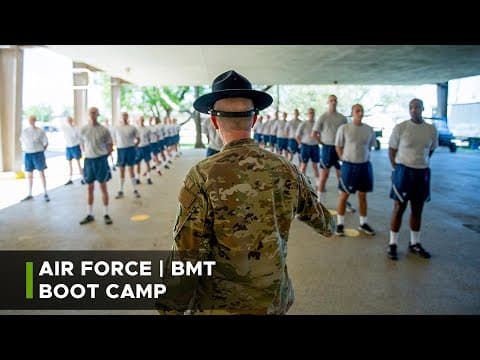
Walsh emphasized the importance of adapting training methods to meet the evolving demands of modern warfare. He noted that many young Airmen were leaving the service after completing their training at STTS, which raised concerns about retention and the effectiveness of the training pipeline. This prompted a reevaluation of the training structure, which had remained largely unchanged for years.
The traditional year-long training course at STTS was designed to develop individual operators capable of augmenting various special operations forces. However, Walsh observed that this model was not effectively preparing Airmen for the realities of modern combat. Many trainees were finishing their enlistments shortly after completing STTS, indicating a disconnect between training and operational readiness.
To address these issues, Walsh and his team proposed a new six-month training course that would focus on essential skills while allowing Airmen to transition more quickly to operational units. This change aims to reduce the overall pipeline time from four years to three, aligning more closely with the training models used by other branches of the military.
A significant shift in the new training model is the emphasis on team-based skills rather than solely individual capabilities. Walsh highlighted the importance of integrating training with operational units, allowing Airmen to learn and practice skills in a team environment. This approach not only enhances individual performance but also fosters a sense of responsibility and accountability among trainees.
Walsh acknowledged that implementing these changes has not been without challenges. Resistance from within the ranks is common when altering established protocols. However, he stressed the importance of open communication and collaboration among all stakeholders to ensure a smooth transition to the new training model.
One of the key benefits of the new training approach is the establishment of standardized evaluation processes. By ensuring that all teams meet specific readiness criteria before deployment, STTS can build trust with higher command levels and enhance the credibility of Air Force special tactics units within the broader Special Operations Command (SOCOM).
Looking ahead, Walsh expressed excitement about the potential for special tactics to evolve further. He emphasized the need for Air Force teams to take ownership of their unique capabilities and to drive innovation in areas such as unmanned aerial systems (UAS) and distributed command and control (C2) operations.
Walsh is particularly optimistic about the younger generation of Airmen entering the service. He believes that their eagerness and talent will drive the future of special tactics, and it is crucial to provide them with the tools and opportunities to succeed. By fostering a culture of continuous improvement and adaptation, STTS aims to prepare Airmen for the challenges of modern warfare.
In conclusion, Lt. Col. Chris Walsh's insights into the transformation of the Special Tactics Training Squadron highlight the importance of adapting training methods to meet the demands of contemporary combat. By focusing on team-based skills, standardization, and the integration of new technologies, STTS is positioning itself to remain a vital component of the Air Force's special operations capabilities. As the landscape of warfare continues to evolve, the commitment to innovation and excellence within the special tactics community will be essential for future success.