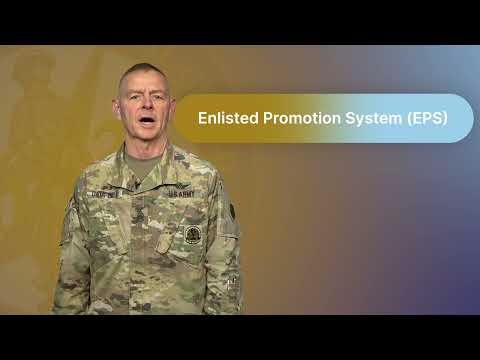
The enlisted promotion system in the military is a structured process that evaluates soldiers based on their potential for increased responsibilities rather than past performance. Key factors include vacancies, board evaluations, military education, commendations, and personal records. Soldiers are encouraged to actively manage their careers and understand the promotion process to enhance their chances of advancement.
As we enter the promotion board season, it's essential to clarify how the enlisted promotion system works. Many soldiers often ask, "How do I get promoted?" or "How can I progress in my military career?" This blog post aims to provide a comprehensive overview of the promotion process, emphasizing that promotions are not merely rewards for past performance but rather a recognition of a soldier's potential to take on additional responsibilities.
Promotions in the military signify the Army's acknowledgment of a soldier's capability to handle the responsibilities associated with a higher rank. While past performance can set the stage for success, it is not the sole determinant of promotion eligibility. A critical aspect to remember is that there must be a vacancy in the soldier's primary Military Occupational Specialty (MOS) for a promotion to occur.
The promotion board process is not designed to evaluate whether a soldier should be promoted; that decision has already been made by unit leadership. Instead, the board's role is to establish the Order of Merit List (OML), which ranks soldiers based on their qualifications and readiness for promotion.
Promotion boards convene annually, and soldiers may find their rankings fluctuate from year to year. For instance, a soldier who ranked first last year may drop to fourth this year, while another soldier may rise from fourth to first. The board's evaluation criteria remain consistent, but the needs of the Army can shift, influencing the rankings.
When preparing for the promotion board, soldiers should focus on several critical areas:
The board reviews the last three to five years of Non-Commissioned Officer (NCO) evaluations. It is crucial that comments from senior raiders are specific and quantifiable, highlighting the soldier's potential rather than just past achievements.
Completing required military education is essential for promotion eligibility. Soldiers should ensure they have completed Structured Self-Development (SSD) and other Professional Military Education (PME) courses. Performance in these courses, including honors or any failures, will be scrutinized by the board.
Commendations received over the past few years, such as the Army Commendation Medal or Army Achievement Medal, are significant. The board will consider the level of the award and the reasons for receiving it, as well as how recent these commendations are.
A soldier's fitness test history, body composition, and individual weapons qualification are also evaluated. Consistency in meeting regulatory standards is crucial, as is maintaining an up-to-date security clearance and health assessments.
While there is no requirement for NCOs to have education beyond high school, pursuing higher education can enhance competitiveness. Soldiers are encouraged to submit transcripts regularly to demonstrate ongoing educational efforts.
Experience within the soldier's primary MOS is vital. Transitioning to a new MOS may affect ranking due to a lack of experience. Conversely, extensive experience can significantly boost a soldier's standing on the OML.
Engaging in broadening assignments or special positions can positively impact a soldier's profile. These opportunities demonstrate a commitment to personal and professional growth.
The completeness and accuracy of the promotion packet are critical. Soldiers should ensure that their Enlisted Record Brief (ERB) is validated annually and that all documentation, including DA photos, is current.
Mistakes in records are not uncommon. Soldiers have the opportunity to write a letter to the board addressing any discrepancies or issues, such as failed fitness tests or missing evaluations. This is an important chance to clarify circumstances and demonstrate a commitment to improvement.
In summary, the enlisted promotion system is a structured process that evaluates soldiers based on their potential for increased responsibilities. Soldiers are encouraged to actively manage their careers, understand the promotion process, and prepare thoroughly for the board. As you navigate your military career, consider what position you want to hold when you take off your uniform for the last time. Understanding the promotion system is crucial for achieving your goals. Good luck to all soldiers participating in the promotion process this year!