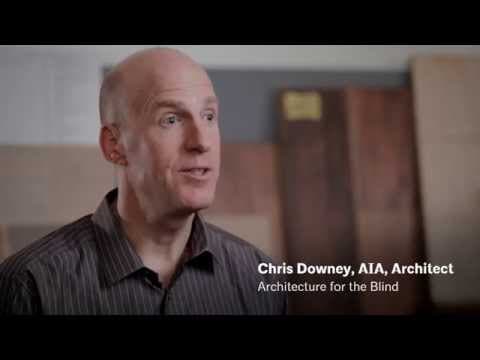
Chris Downey, an architect who lost his sight due to a brain tumor, shares his unique perspective on architecture, emphasizing the importance of embracing challenges, understanding environments, and designing inclusively for all.
Walking through a city as an architect without sight presents a unique challenge. Chris Downey, an architect who lost his vision due to surgery for a brain tumor, shares his inspiring journey and insights into how he perceives the world and architecture differently.
Downey describes how, despite his blindness, his mind remains active, picking up various environmental cues. As an architecture student, he learned to read between the lines, using architecture as a lens to view the world. This perspective is crucial for everyone, as it encourages a deeper appreciation of the surroundings.
The loss of sight was unexpected for Downey, but he embraced the challenge that came with it. He emphasizes the importance of taking a leap of faith as a designer. In architecture, uncertainty is a constant; one must believe in the process, even when the answers are not clear.
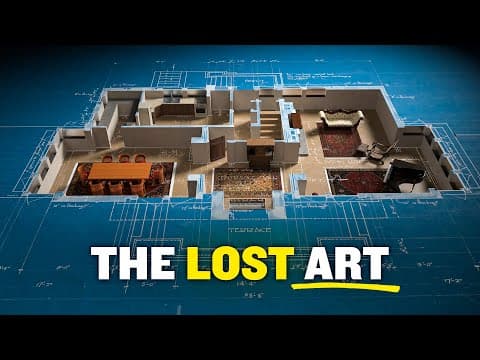
Within a month of losing his sight, Downey returned to his office, determined to adapt. He explored new technologies that allowed him to convert architectural drawings into tactile forms. This innovation enabled him to engage with floor plans actively, considering materials, sunlight, and spatial composition in ways that were previously passive when he relied on his vision.
Downey is careful to clarify that he is not without vision; rather, he sees with more than just his eyes. His understanding of vision encompasses a broader perspective, one that includes feeling and experiencing the environment. This approach makes architecture more accessible, allowing individuals with physical limitations, such as those using wheelchairs or canes, to feel comfortable in the spaces designed for them.
A key lesson Downey imparts is the importance of not designing for an average person, as that concept does not exist. Life can change unexpectedly, and anyone can face physical limitations at any time. This understanding drives the need for inclusive design that accommodates all individuals.
Downey finds great fulfillment in teaching, as it allows him to engage with students and gain fresh perspectives. He encourages students to think critically about architecture, to see possibilities, and to study their environments deeply.
Downey's vision for architecture extends beyond creating aesthetically pleasing buildings. He believes it is about fostering connections, enhancing community, and bringing people together. He encourages everyone to look up and appreciate their surroundings, to explore unexpected places, and to experience the world in ways they might otherwise overlook.
Chris Downey's journey as an architect illustrates the power of resilience and creativity in the face of adversity. His insights challenge conventional perceptions of architecture and encourage a more inclusive approach that values the experiences of all individuals. Through his work and teachings, Downey continues to inspire others to embrace the possibilities within architecture and to see beyond the surface of their environments.