Daniel Libeskind explores the intersection of architecture and language, drawing inspiration from literary figures like James Joyce and the emotional resonance of music. He discusses his architectural philosophy, the importance of history, and the need for individuality in urban design, emphasizing that architecture should reflect memory and community.
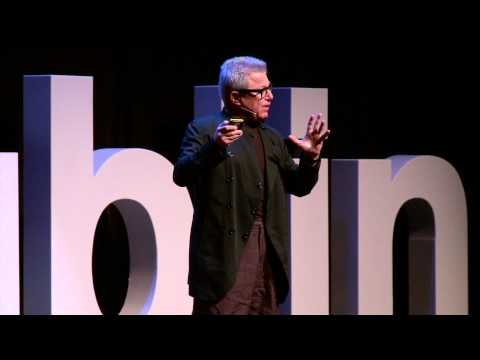
Daniel Libeskind, a renowned architect, shares his thoughts on the profound relationship between architecture and language, drawing inspiration from literary giants and his own experiences. In his talk at TEDxDUBLIN, he delves into how architecture can communicate emotions and reflect the complexities of human experience.
Libeskind begins by expressing his admiration for James Joyce, highlighting the complexity and ambiguity of Joyce's language. He believes that Joyce's aspiration to communicate across cultures and languages informs his architectural practice. One of his notable works, a tribute to Joyce, features a thousand and one inverted letters inspired by Joyce's words, showcasing how literature can transcend traditional boundaries and inspire new forms of expression in architecture.
Drawing from his background as a professional musician, Libeskind emphasizes the emotional parallels between architecture and music. He argues that both disciplines communicate to the soul rather than just the intellect. He likens architectural drawings to musical scores, suggesting that they require interpretation and collaboration with the community to bring them to life. For Libeskind, the act of drawing is a spiritual process that connects the hand, eye, and mind, allowing architects to express their visions.
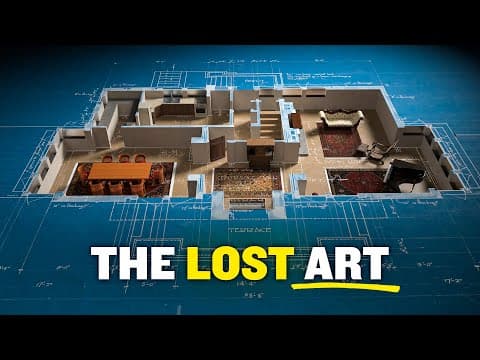
Libeskind challenges the notion of architectural tradition, asserting that each building should be unique and not merely a repetition of past designs. He recounts a project where he designed a house for art lovers in Connecticut, aiming to create a living space that itself is a work of art. This house, made of stainless steel and solid wood, defies conventional layouts, encouraging a fluid relationship between the interior and the surrounding landscape.
Libeskind reflects on the importance of history in architecture, arguing that it is not merely a relic of the past but an urgent narrative that shapes our present. He discusses his design for the Military History Museum in Dresden, Germany, which seeks to address the complexities of military history without glorifying it. The museum's design incorporates a wedge-like structure that disrupts traditional narratives, inviting visitors to engage with the past critically.
In his exploration of high-density urban environments, Libeskind emphasizes the need for individuality within collective spaces. He describes a large-scale neighborhood project in Singapore, where each apartment is designed to offer a unique experience while maintaining a connection to nature. This approach reflects his belief that architecture should evoke memory and provide a sense of belonging, even in densely populated areas.
Libeskind's vision extends to large urban projects, such as the redevelopment of Yongsan in Korea. He aims to create a vibrant city that integrates nature and public spaces, fostering community interaction. His designs challenge conventional skyscraper aesthetics, promoting a diverse urban landscape that reflects the rich history and culture of the area.
In closing, Libeskind emphasizes the interconnectedness of various architectural forms, suggesting that a city, a museum, and a house are all part of a singular world. He reflects on his recent work at Ground Zero in New York, highlighting the importance of patience and openness in the process of rebuilding. Ultimately, Libeskind advocates for a vision of architecture that embraces freedom and inclusivity, allowing for the creation of spaces that resonate with all individuals.
Through his insights, Daniel Libeskind invites us to reconsider the role of architecture as a language that communicates not just function but also the deeper narratives of our lives and histories.