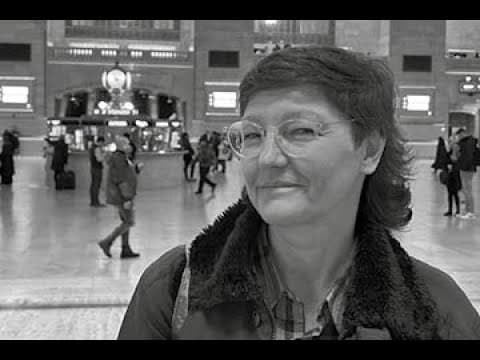
Dr. Dagmar Pelger discusses the importance of critical architecture and social responsibility in urban planning, highlighting the need to engage with marginalized communities and rethink public spaces through participatory methods.
In the second evening of the Architectural Tuesday series, we delve into the concept of critical architecture and our social responsibility in planning practices. Dr. Dagmar Pelger presents her lecture titled "Special Commons: The Communalization of Urban Spaces," which sets the stage for a deeper discussion on how urban spaces can be designed to be inclusive and supportive of marginalized communities.
The evening is enriched by the contributions of recent graduates who present their master's theses. Their work critically examines the dilemma between urban upgrading and displacement, focusing on how marginalized individuals interact with public spaces. This highlights the importance of understanding the needs and experiences of those often overlooked in urban planning.
The students initially aimed to activate neglected public spaces, such as the area behind the Cologne main station. However, upon visiting, they realized that these spaces were already being utilized by marginalized groups, including the homeless and those involved in drug scenes. This revelation prompted them to reconsider their approach, leading to a focus on the perspectives of these often marginalized individuals.
To gather insights, the students employed a participatory approach, opting to engage directly with the community rather than relying solely on traditional research methods. They set up a welcoming space at the Wiener Platz, offering tea and coffee to create an inviting atmosphere for dialogue. This approach allowed them to build trust and rapport with the community, leading to deeper conversations about the public space's significance and the challenges faced by its users.
Through their interactions, the students uncovered several critical insights:
Community Dynamics: The Mülheim street culture scene is tightly knit, with individuals often sharing similar struggles, including housing instability and substance dependence. This shared experience fosters a strong sense of community.
Public Space Utilization: The Wiener Platz serves as both a transit point and a social gathering space, highlighting the dual role of public spaces in urban life.
Defensive Architecture: The students observed that the area was increasingly designed to deter certain users, with features like gated seating areas and the removal of trash bins, reflecting a broader trend of exclusionary urban design.
Emotional Attachments: Many individuals expressed a deep emotional connection to the Wiener Platz, viewing it as a vital part of their daily lives despite the negative perceptions often held by the broader society.
The students' findings were synthesized into a mapping project, which visually represented the complex social dynamics at play in the public space. This mapping not only documented the existing conditions but also served as a tool for advocacy, helping to communicate the needs and experiences of marginalized groups to urban planners and policymakers.
Following the student presentations, Dr. Dagmar Pelger shared her expertise on the concept of spatial commons. She emphasized the need for urban spaces to be designed collaboratively, taking into account the voices of all community members, especially those who are often marginalized. Dr. Pelger's work focuses on how communal spaces can be utilized for the common good, advocating for a shift in urban planning practices to prioritize inclusivity and social equity.
Dr. Pelger's insights challenge traditional notions of public and private spaces, suggesting that urban planning must evolve to recognize the complexities of communal ownership and usage. She advocates for a participatory approach that empowers communities to shape their environments, ultimately leading to more equitable urban spaces.
The evening concluded with a call to action for architects, planners, and students to engage critically with the communities they serve. By fostering dialogue and understanding the needs of marginalized populations, urban planning can become a tool for social justice and community empowerment. The discussions highlighted the importance of critical architecture in addressing the pressing challenges of urbanization and social inequality, paving the way for a more inclusive future in urban design.