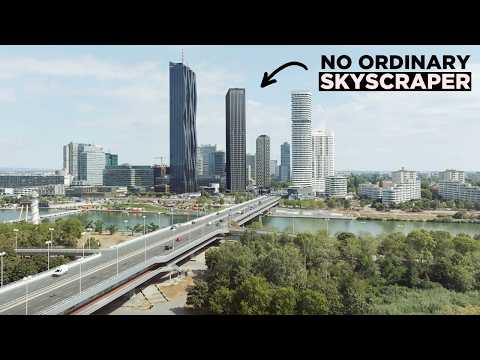
This blog post delves into the architectural and structural intricacies of four iconic mega structures: Shanghai Tower, Burj Khalifa, One World Trade Center, and Marina Bay Sands. It discusses their design concepts, structural systems, and the challenges faced in their construction, highlighting the evolution of high-rise architecture.
In this lecture, we explore the fascinating world of mega structures and high-rise buildings, focusing on their architectural forms and structural arrangements. Building on previous discussions about structural systems, we will analyze four prominent examples: the Shanghai Tower, Burj Khalifa, One World Trade Center, and Marina Bay Sands. Each of these structures showcases unique design concepts and engineering solutions that address the challenges of modern urban living.
The Shanghai Tower, standing at 632 meters with 124 floors, embodies the concept of a "city within a city." This design addresses the challenges of rapid urbanization and the high demand for accommodation and amenities in densely populated areas. The tower is divided into nine vertical zones, each serving different functions such as hotels, restaurants, and public spaces.
The structural system of the Shanghai Tower employs a core tube structure, which consists of closely spaced columns connected by spandrel beams, forming a tube-like shape. Key features include:
The design also features a simplistic plan that enhances its structural integrity, with a reduction in cross-section at higher levels to improve stability against lateral loads.
The Burj Khalifa in Dubai, reaching a height of 829 meters and comprising 163 floors, is renowned for its striking Y-shaped design. This structure maximizes views and minimizes wind resistance, making it an architectural marvel.
The Burj Khalifa utilizes a modified bundle tube structure, characterized by:
The building's design reduces mass at the upper levels, contributing to its stability and aesthetic appeal.
One World Trade Center in New York stands at 546 meters with 94 floors. It serves as a symbol of resilience and renewal following the events of September 11, 2001.
This structure features a robust concrete core that provides significant resistance against lateral and axial loads. Key elements include:
The design emphasizes simplicity, with a basic shape that evolves into an octagonal form at the top, enhancing its structural performance.
Marina Bay Sands in Singapore is a unique architectural feat, consisting of three towers topped by a horizontal sky park. Standing at approximately 200 meters, it presents a different set of engineering challenges compared to traditional high-rise buildings.
The structural arrangement of Marina Bay Sands includes:
The innovative design not only addresses stability but also creates a unique visual relationship between the towers.
In summary, the exploration of these four mega structures reveals the evolution of architectural design and engineering solutions in high-rise buildings. Each example showcases distinct structural systems and innovative approaches to urban living:
As we conclude this discussion, it is evident that the future of architecture will continue to evolve, integrating advanced engineering techniques with innovative design concepts to meet the demands of urbanization and sustainability.