This blog post delves into the innovative use of tension in structural steel design, highlighting its unique capabilities, applications in various architectural projects, and the importance of differentiating between tension and compression forces for effective structural integrity.
The Association of Collegiate Schools of Architecture presents a fascinating exploration of structural steel design, focusing on the unique capabilities of steel in tension. Terry Meyer Polk, an architecture educator at the University of Waterloo, shares insights into how understanding tension can lead to innovative architectural solutions.
Steel is unparalleled among common building materials for its ability to perform effectively in tension. Initially utilized in bridge design, its applications have expanded to a variety of architectural contexts. By differentiating between members subjected to tension and those experiencing compression, architects can create force differentiated structures that enhance both functionality and aesthetics.
The design of the Grand Arch exemplifies the effective use of substantial members to resist compressive forces while employing thinner cables for tensile forces. This approach not only optimizes material use but also contributes to the visual dynamics of the structure.
Continuing the tradition of force differentiation, the design for Porto International Airport features a highly energetic arch system that spans the departure hall. The use of thinner rods for stabilization demonstrates how understanding tension can lead to more efficient designs.
In the innovative trusses of Pudong Airport, rods are utilized as tension elements, showcasing a unique steel ball connection that enhances structural integrity. The careful planning of geometry ensures that the plates connecting tension rods have adequate steel and spacing for pin connections.
The architectural marvel of the Reichstag dome incorporates a spiral ramp suspended from ribs using a tension suspension system. Custom clevis designs facilitate the connection of multiple rods, showcasing the intricate details involved in modern structural design.
A pedestrian highway overpass employs a tension system to suspend the walkway from steel arches. The unusual support system, featuring inverted T-shaped steel sections, highlights the innovative use of materials to create functional and aesthetic structures.
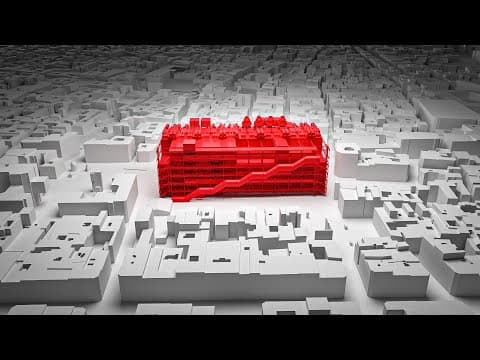
The Pompidou Center, designed by Piano and Rogers, showcases express tensile cross bracing. The connection details at the center of force transfer illustrate the creative solutions architects can devise when utilizing tension in their designs.
At Munich International Airport, a lightweight facade required cross bracing for rigidity. The design employs pairs of tension connectors, with slender turnbuckles used to tighten the system during installation, demonstrating the practical applications of tension in architecture.
The large custom trusses at the Burj Al Arab incorporate cross bracing as part of their structural design. The slender plates designed to transfer loads across the center of the cross bracing are a testament to the aesthetic considerations in structural engineering.
An early example of mast and suspension systems can be seen in the Munich Olympic Stadium. The contrast between the compressive masts and the cable suspension system exemplifies the differentiation of loading on structural members.
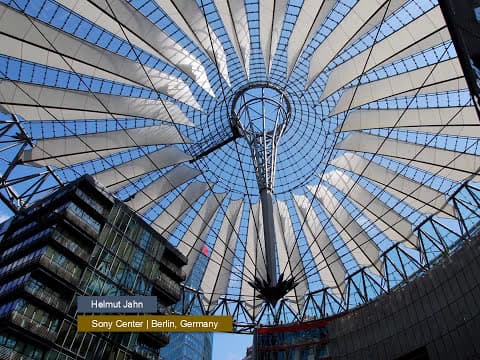
The glass and fabric roof of the Sony Center is supported by a cable and mast system, where the heavier steel sections act in compression while the lighter cables provide tension. The innovative connection details at the base of the mast highlight the complexity of modern structural design.
Tension systems have gained popularity for their ability to create expansive, lightweight, and sculptural structures. The exploitation of force differentiated steel structures holds significant promise for design innovation. This exploration has only scratched the surface of the potential of tension in steel design. For those interested in further information, case studies, and detailed design tips, connecting with resources and literature on architectural exposed structural steel is highly recommended.