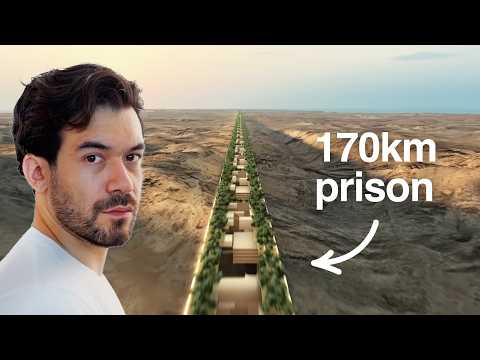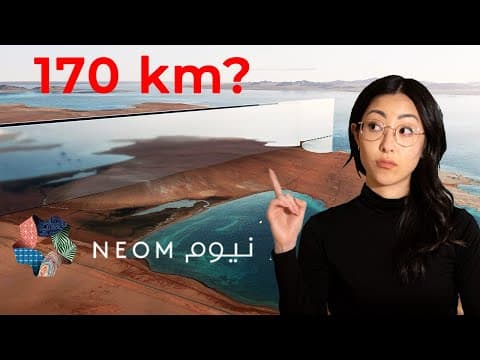
THE LINE is a groundbreaking urban project in Saudi Arabia, designed to be a 170 km long, 500 m tall city with zero carbon emissions. While it promises innovative living and transportation, it raises significant concerns about sustainability, community impact, and ethical implications. This blog post delves into the project's design, potential challenges, and the broader context of urban planning and architecture.
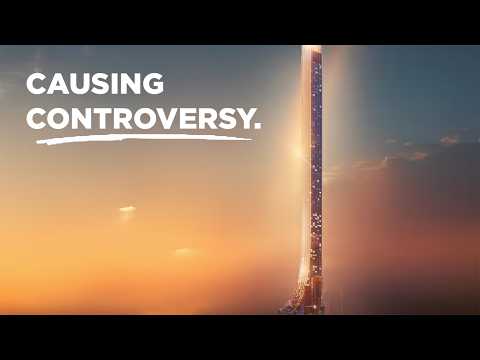
In recent weeks, a unique urban project has captured the attention of many: THE LINE, a proposed city in Saudi Arabia that stretches 170 kilometers long and rises 500 meters high. This ambitious design features a mirror facade and promises to allow residents to traverse the entire city in just 20 minutes via ultra-high-speed public transit. Initially estimated to cost $500 billion, projections have now soared to $1 trillion, with plans to accommodate 9 million residents. This blog post will unpack the design, implications, and controversies surrounding this futuristic city concept.
THE LINE is part of a larger initiative by the Saudi government to diversify its economy away from oil dependency. The Neom project, located in the Tabuk region, aims to invest heavily in infrastructure, education, tourism, and renewable energy technologies. The Saudi government has already completed several developments in the area, including a seaside resort and an airport connecting to Riyadh, the capital.
THE LINE is designed with three distinct levels:
This design aims to eliminate the need for cars and ensure that all daily activities are accessible within a five-minute walk. The concept challenges traditional urban planning, which has often prioritized vehicles over pedestrians.
According to Mohammed bin Salman, the project will operate on clean, renewable energy and achieve zero carbon emissions. However, the design raises questions about its environmental impact, particularly regarding its interaction with the natural habitat. Critics argue that the linear structure disrupts ecosystems and fails to utilize the coastal areas effectively.
One of the primary concerns is the potential harm to local wildlife and ecosystems. The construction of a massive wall through the desert could fragment habitats, disrupt animal migration, and threaten biodiversity. The reflective surface of the city could create extreme heat zones, adversely affecting surrounding flora and fauna.
The proposed transit system, which would allow travel across the city in just 20 minutes, raises logistical questions. The speed required for such a system—525 kilometers per hour—exceeds that of the fastest trains currently in operation. Critics suggest that the design may create unnecessary complications and that more organic urban solutions could be more effective and cost-efficient.
The rigid linear design poses challenges for urban growth. As cities evolve, they typically expand organically. THE LINE's structure raises questions about how it will accommodate future development and whether it can adapt to changing needs.
The project has been criticized for its lack of consultation with local communities. Thousands of tribal members currently inhabit the area designated for Neom, and their displacement raises ethical concerns. While the Saudi government promotes social reforms, the authoritarian nature of the regime complicates the narrative surrounding community engagement and rights.
The ethical implications of THE LINE extend beyond environmental concerns. The project is seen by some as a means for the Saudi government to improve its international image while diverting attention from ongoing human rights issues. The lack of transparency and consultation with affected communities raises questions about the true motivations behind such grand architectural endeavors.
THE LINE represents a bold vision for the future of urban living, but it is fraught with challenges and ethical dilemmas. While the project aims to push the boundaries of technology and sustainability, it also risks overlooking the complexities of human and environmental needs. As we consider the future of urban design, it is crucial to balance innovation with responsibility, ensuring that the voices of those affected are heard and respected. The success of such a monumental project will ultimately depend on its ability to address these multifaceted issues and create a livable, inclusive environment for all.