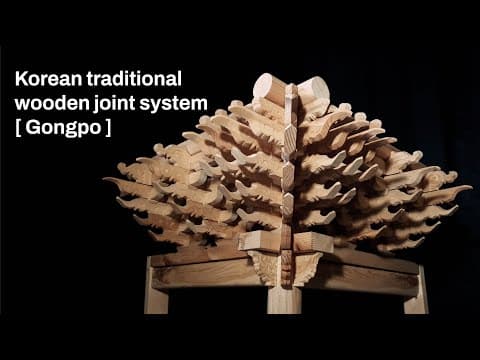
This blog post delves into the intricate details of the Korean traditional wooden joint system known as Gongpo. It explores its historical significance, construction techniques, and the cultural importance of this architectural method in Korean heritage. Readers will gain insights into how Gongpo reflects the craftsmanship and aesthetic values of traditional Korean architecture, as well as its relevance in modern design.
The Korean traditional wooden joint system, known as Gongpo, is a remarkable architectural technique that has been used for centuries. This system not only showcases the ingenuity of Korean craftsmanship but also reflects the cultural values and aesthetic principles of traditional Korean architecture. In this blog post, we will explore the historical significance, construction techniques, and cultural importance of Gongpo.
Gongpo has its roots in ancient Korean architecture, where wooden structures were predominant. The use of wood as a primary building material was influenced by the availability of natural resources and the climatic conditions of Korea. The Gongpo joint system allowed for flexibility and durability in construction, which was essential for withstanding the region's seismic activity.
Over the years, the Gongpo system has evolved, incorporating various techniques that enhance its structural integrity. Traditional builders developed intricate methods to join wooden beams and columns without the use of nails, relying instead on precise cuts and interlocking joints. This not only improved the strength of the structures but also allowed for easier repairs and modifications.
The Gongpo system is characterized by its unique joints, which are designed to distribute weight evenly and provide stability. Here are some key features of the Gongpo construction technique:
One of the most distinctive aspects of Gongpo is its interlocking joints. These joints are crafted with precision, allowing wooden elements to fit together seamlessly. This method reduces the need for metal fasteners, which can weaken the structure over time.
Gongpo emphasizes the use of natural materials, primarily wood. The choice of wood is crucial, as different types of wood offer varying levels of strength and flexibility. Builders often select local timber that is well-suited to the climate and environment.
In addition to functionality, Gongpo also considers aesthetic elements. The beauty of the wooden joints is often highlighted in the design, showcasing the craftsmanship involved. The visible joints can be seen as a form of artistic expression, reflecting the cultural heritage of Korea.
Gongpo is not just a construction technique; it is a representation of Korean identity and heritage. The traditional wooden joint system embodies the values of harmony with nature, respect for craftsmanship, and the importance of community in building practices.
The Gongpo system is a symbol of Korea's architectural heritage. It connects modern Koreans with their ancestors, reminding them of the skills and knowledge passed down through generations. Preserving this technique is essential for maintaining cultural continuity.
In recent years, there has been a resurgence of interest in traditional building techniques, including Gongpo. Modern architects are increasingly looking to incorporate these methods into contemporary designs, blending traditional aesthetics with modern functionality. This fusion not only honors the past but also promotes sustainability in architecture.
The Korean traditional wooden joint system, Gongpo, is a testament to the ingenuity and artistry of Korean craftsmanship. Its historical significance, intricate construction techniques, and cultural importance make it a vital part of Korea's architectural heritage. As we continue to explore and appreciate these traditional methods, we can find inspiration for modern design while honoring the rich history they represent.