This blog post highlights the top ten architects of the 21st century, showcasing their unique styles, notable works, and contributions to modern architecture. From Frank Gehry's radical designs to Shigeru Ban's minimalist approach, these architects have transformed skylines and inspired future generations.
Architecture is a reflection of creativity and innovation, shaping the environments we live in. The 21st century has seen a remarkable evolution in architectural design, driven by visionary architects who have pushed the boundaries of imagination and material use. In this post, we will explore the top ten architects of the 21st century, highlighting their unique styles and significant contributions to the field.
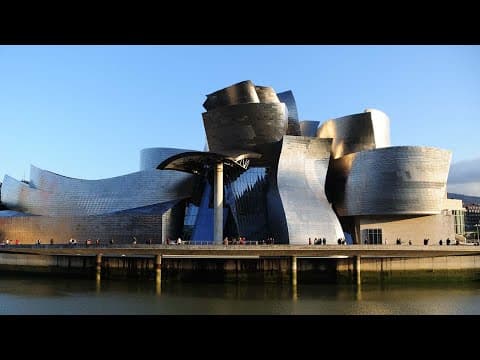
Frank Gehry is often regarded as the most radical and distinctive architect of our time. His ability to envision bizarre shapes and forms has set new benchmarks in architectural design. Gehry's use of unconventional materials, such as corrugated metal, allows him to create structures that defy common sense yet attract millions of visitors. Notable works include the Guggenheim Museum in Bilbao, the Walt Disney Concert Hall in Los Angeles, and the Marques de Riscal Vineyard Hotel in Elciego. His influence is so profound that Vanity Fair named him the most popular architect of the 21st century.
It is fitting that Frank Lloyd Wright shares the spotlight with Gehry, as he is often considered one of the most beloved architects of all time. Wright's designs seamlessly blend interior and exterior spaces, creating a harmonious relationship with the surrounding landscape. His notable works include Fallingwater, the Guggenheim Museum in New York City, and the Gammage Auditorium at Arizona State University. Remarkably, Wright never attended architecture school; instead, he learned from the renowned architect Louis Sullivan.
Jean Nouvel is known for his bold and inventive use of materials, emphasizing light and space in his designs. After working under prominent architects, he established his firm, Atelier Jean Nouvel. His notable projects include the Institut du Monde Arabe in Paris, the Torre Glòries in Barcelona, and the Louvre Abu Dhabi. Nouvel's innovative approach earned him the prestigious Pritzker Prize in 2008.
Zaha Hadid made history as the first female architect to win the Pritzker Architecture Prize. Her daring and futuristic designs are characterized by fluid, dynamic forms that challenge traditional architectural norms. Notable works include the London Aquatic Centre and the Guangzhou Opera House. Hadid's legacy continues to inspire future architects, demonstrating that creativity knows no gender.
Chinese-born architect I.M. Pei is celebrated for his striking geometric forms and the integration of natural elements into his designs. His notable works include the Bank of China Tower in Hong Kong, the Rock and Roll Hall of Fame in Ohio, and the Museum of Islamic Art in Doha. Pei's architectural philosophy often draws inspiration from cubism, viewing architecture as a blend of painting and sculpture.
Renzo Piano is known for his environmentally friendly designs that balance aesthetics with sustainability. His projects, such as the California Academy of Sciences and The Shard in London, showcase his meticulous attention to detail. Piano's work on the Centre Pompidou in Paris, which initially faced criticism, has since become a defining feature of the city.
Norman Foster's mastery of form and function is evident in his iconic structures, including the Hearst Tower in New York and the Gherkin in London. His designs often feature distinctive mesh facades and demonstrate a deep appreciation for urban environments. Foster's work on the rebuilding of Dresden's Central Station exemplifies his ability to blend historical charm with modern innovation.
German architect Ole Scheeren is known for his modernist aesthetic and storytelling approach to architecture. His project, The Interlace in Singapore, won the World Building of the Year award in 2015. Scheeren's designs often incorporate green spaces and innovative solutions to urban challenges, as seen in the CCTV Headquarters in Beijing.
Rem Koolhaas is renowned for his deconstructive design philosophy, which challenges societal preconceptions and stereotypes. His notable works include the Seattle Central Library and the Casa da Música in Porto. Koolhaas's approach to architecture emphasizes the importance of program and context, making his designs unique and thought-provoking.
Shigeru Ban is celebrated for his minimalist style and humanitarian approach to architecture. Known for creating cardboard tube housing for disaster relief, Ban's designs prioritize sustainability and resourcefulness. His notable projects include the Cardboard Cathedral in Christchurch and the Aspen Art Museum. Ban's work exemplifies the potential of architecture to address social issues while maintaining aesthetic integrity.
The architects featured in this list have not only shaped our skylines but have also inspired countless individuals to explore their creativity and passion for architecture. Their innovative designs and unique philosophies continue to influence the field, making the 21st century a remarkable era for architectural achievement. As we celebrate these visionaries, we invite you to share your thoughts and any architects you believe deserve recognition in the comments below.