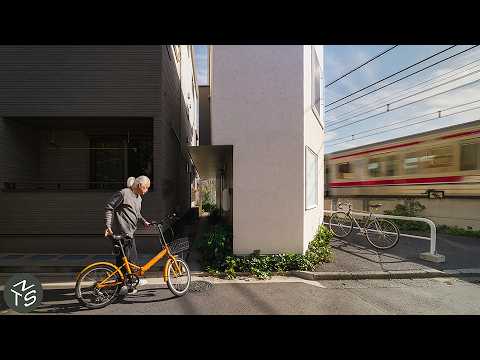
Explore the unique Japanese construction technique that allows buildings to be repaired without using nails. This method emphasizes sustainability, craftsmanship, and the cultural significance of traditional building practices in Japan.
Japan is renowned for its unique architectural techniques that blend tradition with innovation. One of the most fascinating aspects of Japanese construction is the ability to repair buildings without the use of nails. This method not only showcases the craftsmanship of Japanese builders but also emphasizes sustainability and cultural heritage.
In traditional Japanese architecture, structures are often built using a technique known as kanawatsugi, which translates to "joining without nails." This method relies on precise craftsmanship and the use of wooden joints that fit together seamlessly. The absence of nails allows for flexibility and movement, which is particularly beneficial in a country prone to earthquakes.
The practice of building without nails dates back centuries in Japan. Ancient temples and shrines, such as the famous Horyu-ji Temple, exemplify this technique. These structures have stood the test of time, showcasing the durability and resilience of nail-less construction. The philosophy behind this method is deeply rooted in the Japanese culture, where harmony with nature and sustainability are paramount.
One of the primary advantages of this construction method is its flexibility. Buildings constructed without nails can sway during seismic activity, reducing the risk of collapse. This adaptability is crucial in a region where earthquakes are common.
Using wood joints instead of nails also contributes to sustainability. The materials used are often sourced locally, minimizing transportation emissions. Additionally, wooden structures can be disassembled and reused, further reducing waste.
Nail-less construction also offers a unique aesthetic. The visible wooden joints and craftsmanship create a warm and inviting atmosphere, reflecting the beauty of natural materials. This design philosophy aligns with the Japanese concept of wabi-sabi, which appreciates the beauty in imperfection and transience.
While traditional techniques are still prevalent, modern architects and builders are incorporating nail-less methods into contemporary designs. This fusion of old and new not only preserves cultural heritage but also addresses modern challenges such as sustainability and disaster resilience.
Several modern buildings in Japan have successfully utilized nail-less construction techniques. For instance, the Asakusa Culture and Tourism Center in Tokyo features wooden elements that showcase traditional joinery methods while serving a modern purpose. These structures highlight the versatility of nail-less construction in adapting to contemporary needs.
The practice of repairing buildings without a single nail is a testament to Japan's rich architectural heritage and innovative spirit. By embracing traditional techniques, modern builders can create structures that are not only functional but also sustainable and aesthetically pleasing. As the world faces increasing environmental challenges, the lessons learned from Japan's nail-less construction methods may offer valuable insights for future building practices globally.