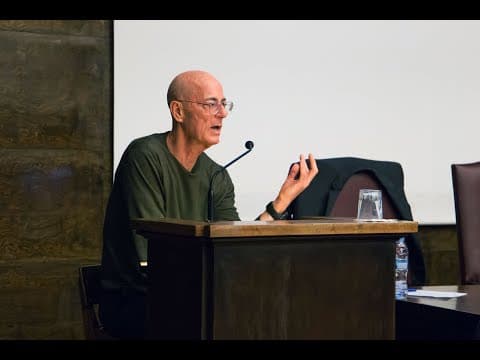
In a recent presentation, architect Jacques Herzog discusses the importance of re-using existing structures in architecture, highlighting projects like Tate Modern and the Elbphilharmonie. He emphasizes how thoughtful design can transform not only buildings but also the communities around them, creating spaces that are accessible, engaging, and culturally significant.
In a recent presentation, renowned architect Jacques Herzog shared his insights on the concept of architectural re-use, emphasizing its significance in contemporary design. Herzog, co-founder of Herzog & de Meuron, is known for his innovative approach to architecture, particularly in how existing structures can be transformed to serve new purposes while enhancing the surrounding community.
Herzog began by discussing the fundamental idea that architecture is inherently tied to its context. He stated, "Architecture is made by people for people," highlighting that every project begins with pre-existing conditions. This notion is particularly evident in his work on notable projects such as the Tate Modern in London and the Elbphilharmonie in Hamburg.
The Tate Modern serves as a prime example of how re-using an existing structure can breathe new life into a community. Originally a power station, the building was transformed into a modern art museum that now attracts over five million visitors annually, making it one of the most visited museums in the world. Herzog explained that the challenge was to make the museum accessible and inviting, turning a once-hidden industrial site into a vibrant public space.
Herzog also discussed the Elbphilharmonie in Hamburg, another project that exemplifies the principles of re-use. The concert hall was built atop an old warehouse, merging the new structure with the historical context of the site.
Herzog's presentation underscored the idea that architecture should serve a greater purpose beyond mere aesthetics. He argued that architects have a responsibility to create spaces that foster social interaction and cultural exchange. By re-using existing structures, architects can contribute to sustainable development and preserve the historical narrative of a place.
While re-using existing buildings presents challenges, such as navigating structural limitations and integrating modern amenities, Herzog believes these obstacles can lead to innovative solutions. He encouraged architects to embrace the complexities of existing sites, viewing them as opportunities for creativity rather than constraints.
In conclusion, Jacques Herzog's insights on architectural re-use highlight the transformative power of thoughtful design. By reimagining existing structures, architects can create spaces that not only serve functional needs but also enrich the cultural fabric of communities. As cities continue to evolve, the principles of re-use will play a crucial role in shaping sustainable and vibrant urban environments.