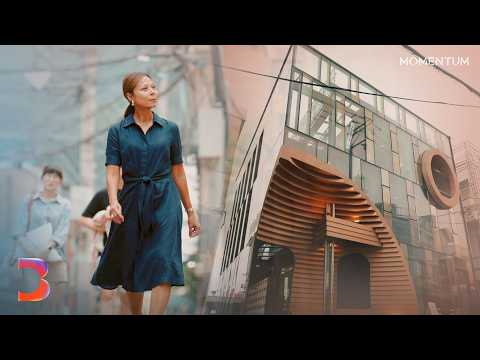
South Korea's architectural landscape is undergoing a renaissance, blending traditional elements with modern design to reflect the nation's evolving identity. This transformation is driven by a new generation of architects who are redefining what it means to be Korean through innovative and culturally resonant designs.
From K-pop acts blazing a trail into the hearts and charts of the Western world to history-making wins on the international stage, South Korean pop culture, known as Hallyu, continues to captivate millions globally. In just 25 years, Hallyu has attracted over 200 million fans, with global spending on Korean cultural products projected to reach $143 billion by 2030. Recently, Seoul was named the "Best City of 2024" by designers and creatives worldwide, highlighting the city's growing influence.
This global interest in South Korean culture has expanded to its architecture and urban landscapes. Seoul is currently experiencing a renaissance in architecture, showcasing the nation's ability to merge tradition with innovation. Each building in Korea tells a story of cultural pride and vibrant creativity, reflecting the country's rich heritage and modern aspirations.
Historically, South Korea's architectural identity was shaped by Confucian values and the oppressive legacy of Japanese colonial rule. However, following liberation and the Korean War in the 1950s, the nation underwent significant economic growth. As South Korea transitioned from one of the poorest countries to a thriving economy, it began to redefine its identity, with architecture playing a crucial role in this transformation.
Architects in Seoul are reshaping the urban landscape, influenced by the progressive tastes of the youth and the global rise of Korean culture. Teo Yang, founder of Teo Yang Studio, emphasizes the importance of understanding the narrative of a space. For instance, in designing a space for Blue Bottle Coffee, he researched early 1900s traditional housing to highlight the introduction of modern amenities like electricity and plumbing, creating a sense of home with a beautiful courtyard.
Teo Yang discusses the concept of the "memory of the site," which involves understanding the history embedded in a location. He believes that tradition is not merely a relic of the past but a valuable resource that can inform contemporary design. This philosophy is evident in the design of hanoks, traditional Korean houses that harmoniously integrate environmental influences.
Korean architecture often embodies simplicity and fluid forms, guided by the principle of balance, as expressed in the old saying, "geom-ibullu hwaibulchi," meaning simple but not humble, beautiful but not extravagant. This design philosophy encourages architects to focus on the essence of materials and the natural environment, leading to sleek, glossy buildings that resonate with the principles of hanok design.
Contemporary Korean architecture is exciting because it returns to basics while incorporating modern elements. Teo Yang notes that today's architects are exploring what new luxury means, often looking back to slower, more thoughtful living. This exploration extends beyond architecture to various fields, including medicine and cosmetics, where traditional Korean practices are reinterpreted through modern lenses.
Studio Gaon, recognized as the best architecture studio in Korea, emphasizes that architecture is a reflection of people's lives and their relationship with the land. The studio's approach focuses on achieving harmony between nature, people, and the built environment. This philosophy has roots in the construction of hanoks, which have historically prioritized balance and sustainability.
Modern Korean architecture also embraces flexibility, allowing spaces to serve multiple purposes. This adaptability reflects the evolving needs of contemporary living, where traditional boundaries between rooms are blurred, fostering a sense of freedom in how spaces are used.
As Korea's creative sectors generate significant export revenue, the global spotlight is increasingly on Korean architecture. Architects like Minsuk Cho, who designed the Serpentine Pavilion 2024, are at the forefront of this movement, translating Korean architectural principles for international audiences. Cho's design incorporates the concept of "madang," a central open space that fosters community and connection.
Defining what it means to be Korean in architecture is complex, as it encompasses a rich tapestry of history, culture, and social change. Minsuk Cho highlights that tradition is not static; it evolves with society. This dynamic nature of Korean architecture allows it to adapt to contemporary needs while remaining rooted in cultural identity.
Korean architecture is poised to become a significant cultural export, reflecting the nation's confidence in its identity and the innovative reinterpretation of its traditions. As South Korea continues to gain recognition as a cultural powerhouse, its architectural renaissance will play a crucial role in shaping the global perception of Korean culture. In this era of transformation, the architects of Korea are not just building structures; they are crafting narratives that resonate with both the past and the future.