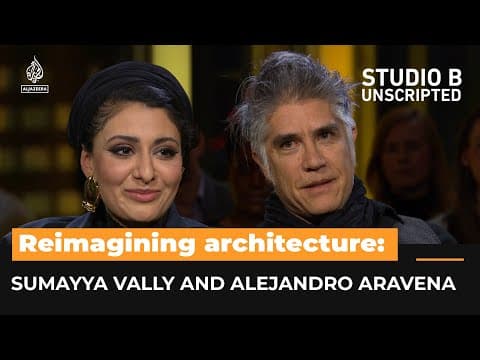
In a thought-provoking discussion, architects Sumayya Vally and Alejandro Aravena explore the role of architecture in addressing social inequalities, the importance of diverse voices in the field, and the need for a shift in architectural practices to reflect the realities of marginalized communities. They emphasize the significance of listening to communities, the impact of cultural identities on design, and the necessity of sustainable practices in architecture.
Architecture is often seen as a reflection of societal values and identities. In a recent discussion, architects Sumayya Vally from Johannesburg and Alejandro Aravena from Santiago, Chile, delve into the transformative power of architecture in addressing social inequalities and the importance of diverse voices in the field. They challenge traditional architectural narratives and advocate for a more inclusive approach that resonates with the realities of marginalized communities.
Sumayya Vally articulates that architecture serves as a vessel for our identities, allowing us to see ourselves reflected in the spaces we inhabit. She emphasizes that architecture should not only cater to aesthetic values but also embody the cultural and social narratives of the communities it serves.
Alejandro Aravena highlights the urgent need for architecture to confront inequalities in the built environment. He argues that architecture should not merely be about creating beautiful structures but should also focus on improving the quality of life for people, particularly in social housing contexts.
The conversation touches on the challenges faced by women in architecture. Vally shares her experience of embracing her multifaceted identity as a woman of color and how it fuels her practice. She believes that these identities should enrich the architectural discourse rather than be seen as obstacles.
Both architects reflect on pivotal moments that shaped their careers. Vally recounts a formative experience during her volunteer work with an NGO, where she learned about the significance of indigenous belief systems in shaping spatial needs. Aravena recalls his decision to design a house for a taxi driver during his studies, which challenged conventional notions of architecture and client relationships.
Aravena discusses his practice, Elemental, which aims to redefine social housing by focusing on essential needs rather than superfluous elements. He introduces the concept of the "half house," which acknowledges the limitations of resources while allowing families to incrementally improve their living conditions over time. This approach reframes the narrative around social housing, emphasizing potential rather than deficiency.
Vally's practice, Counter Space, emerged from the vibrant yet segregated context of Johannesburg. She emphasizes the importance of creating architecture that reflects the unique conditions of the city, moving beyond inherited Western architectural narratives. Counter Space aims to engage with communities and foster collaboration across various design disciplines.
Both architects stress the significance of participatory design, which involves engaging with communities not just as end-users but as active participants in the design process. Vally notes that understanding the needs and aspirations of communities is crucial for creating meaningful architecture.
Vally discusses the richness of hybrid identities and how they can inform architectural practices. She believes that embracing hybridity allows architects to resonate with diverse contexts and foster empathy. This perspective challenges the notion of a singular architectural identity and encourages a more inclusive approach.
Aravena emphasizes that sustainability should be rooted in common sense. He advocates for a rigorous approach to material choices and design practices that prioritize local knowledge and resources. This perspective aligns with Vally's view that sustainable practices should draw from cultural traditions and local contexts.
The conversation between Sumayya Vally and Alejandro Aravena reveals the profound impact of architecture on society. By embracing diverse voices, challenging traditional narratives, and prioritizing community engagement, architects can create spaces that reflect the complexities of human experience. As they navigate the challenges of social inequality and sustainability, their insights offer a hopeful vision for the future of architecture, one that is inclusive, responsive, and deeply rooted in the identities of the communities it serves.