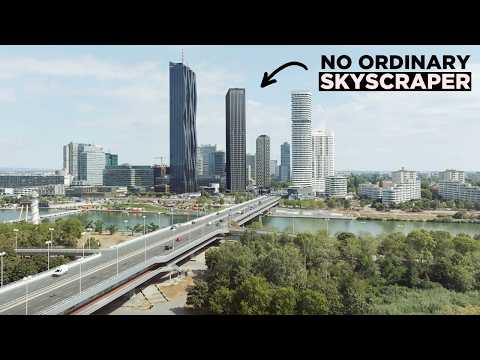
This blog post explores the evolution of high-rise structural systems, discussing their definitions, historical context, technological advancements, challenges, and the various structural systems used in modern skyscrapers.
Welcome back to the NPTEL course on Structure, Form, and Architecture: The Synergy. In previous lectures, we have explored various types of structures, their advantages, applications, and materials. Now, we turn our focus to high-rise or tall building structures, a topic that captivates our imagination and reflects urban growth. This lecture will delve into the fundamentals of tall buildings, their evolution, and the structural systems that support them.
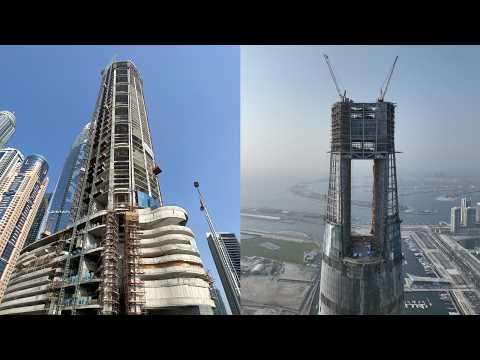
High-rise buildings, often referred to as skyscrapers, do not have a universally accepted definition. The classification of a building as a high-rise can vary significantly based on location and context. For instance, a building with more than four stories might be considered a high-rise in some regions, while in others, it may require ten or more stories. A common characteristic of high-rise buildings is the necessity for mechanical elevators, as their height makes stair access impractical.
The push for high-rise buildings is driven by several factors:
High-rise buildings are not a modern phenomenon; they have historical roots. Monumental structures built for kings and religious purposes in ancient civilizations can be seen as precursors to today’s high-rises. Examples include:
The Home Insurance Building in Chicago, completed in 1885, is often regarded as the first modern high-rise building designed for habitation. This marked a significant shift in architectural design, paving the way for future skyscrapers.
The evolution of high-rise buildings has led to the development of various structural systems, classified by the Council on Tall Buildings and Urban Habitat:
The advancement of materials and construction techniques has played a crucial role in the evolution of high-rise buildings. Innovations such as composite materials and advanced structural systems allow for taller and more resilient structures. The desire for aesthetic appeal also influences design, as architects strive to create iconic skylines.
Building tall structures comes with unique challenges:
The evolution of high-rise structural systems reflects humanity's aspiration to build taller and more innovative structures. From ancient monumental buildings to modern skyscrapers, the journey has been marked by technological advancements and architectural creativity. As we continue to push the boundaries of height, understanding the structural systems and challenges involved is essential for future developments in urban architecture. In the next lecture, we will explore the components of high-rise structures in greater detail, focusing on their interior systems and design considerations.