Earth scrapers, proposed underground skyscrapers, aim to address urban housing crises but present numerous practical and social challenges. This blog post explores the concept, its historical context, and the inherent flaws in the design and implementation of such structures, ultimately arguing for more human-centered urban planning solutions.
In recent years, the tech industry has made headlines for its disruptive innovations across various sectors, from transit to healthcare. Now, it seems that tech entrepreneurs are setting their sights on architecture and urban planning with a bold new concept: earth scrapers. But what exactly are earth scrapers, and do they truly represent a viable solution to urban housing crises?
Earth scrapers are often confused with ground scrapers, which are essentially long buildings that sit on the ground. In contrast, earth scrapers are proposed as underground skyscrapers—essentially large basements designed to provide eco-friendly alternatives to traditional skyscrapers. The idea is that by building down instead of up, these structures could significantly reduce energy consumption associated with heating and cooling.
The concept of earth scrapers is not entirely new; it dates back to the 1930s in Japan, where large concrete tubes were envisioned as earthquake-proof housing. A more recent and notable proposal comes from the architecture firm Bunker, which aims to construct an earth scraper beneath Mexico City's main square. This plan seeks to address the city's strict height regulations while meeting the high demand for centrally located housing.
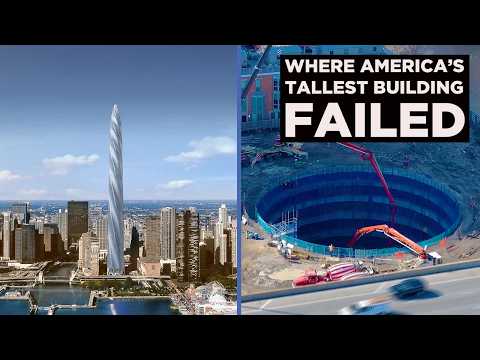
While the idea of digging a massive hole in a bustling urban center may sound innovative, it raises immediate concerns. Excavating hundreds of meters of soil would require countless trips by heavy dump trucks, causing significant disruption to the city center for years. The vibrations from such construction could damage historical buildings, and the noise and traffic would likely deter residents and tourists alike.
Even if the excavation could be completed with minimal disruption, the real challenges begin once the earth scraper is built.
One of the most glaring issues with living in an earth scraper is the lack of sunlight. The rectangular design of these structures means that many areas would receive little to no natural light throughout the year. This could lead to severe mental health issues for residents, particularly during the winter months when sunlight is already scarce.
The proposed layout of earth scrapers also presents contradictions. While shops are envisioned on the upper floors to take advantage of sunlight, residential units would be relegated to the lower levels, where light is minimal. This arrangement could diminish the attractiveness of retail spaces, as foot traffic is crucial for their success. Residents would face the inconvenience of navigating multiple elevators just to reach basic amenities, further complicating daily life.
Safety is another critical concern. In the event of a fire, residents on lower floors would face the daunting task of escaping through smoke-filled stairwells, as elevators are not an option during emergencies. The design of earth scrapers raises serious questions about the feasibility of safe living conditions.
The vision of earth scrapers reflects a broader trend in the tech industry, where solutions often prioritize profit over practicality. Many tech entrepreneurs, driven by a libertarian ideology, envision a world where a narrow elite controls essential services, including housing. This creates a stark divide between those who can afford comfortable living conditions and those who cannot.
The concept of earth scrapers echoes historical inequalities, reminiscent of the rental palaces in Budapest before World War II, where the wealthy enjoyed luxury while the poor lived in squalor. Earth scrapers risk perpetuating this hierarchy, offering a thin veneer of innovation while failing to address the fundamental needs of urban residents.
So, if earth scrapers are not the answer to the housing crisis, what is? The solution lies in building more city centers that are designed for people, not cars. By creating new urban areas that are walkable, aesthetically pleasing, and equipped with public services, cities can alleviate housing pressures without resorting to impractical underground structures.
Cities like Heidelberg in Germany have successfully implemented this approach by developing new centers that provide amenities and services, thereby distributing demand more evenly across urban areas. This strategy not only addresses housing shortages but also fosters vibrant communities.
In conclusion, while the idea of earth scrapers may seem innovative at first glance, a closer examination reveals numerous practical and social challenges that render them an impractical solution to urban housing crises. Instead of pursuing these dystopian visions, cities should focus on human-centered urban planning that prioritizes accessibility, safety, and community well-being. The future of urban living should not be dictated by tech entrepreneurs seeking profit but should instead reflect the needs and desires of the people who inhabit these spaces.