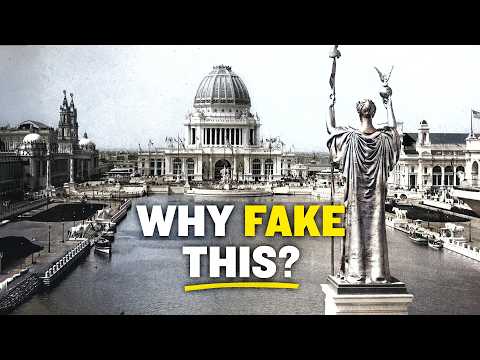
This blog post explores the Tartarian theory, which suggests that an advanced ancient civilization built magnificent structures worldwide, focusing on the Chicago World's Fair of 1893 as a case study. It discusses the architectural legacy of the fair, the emotional impact of demolished buildings, and the historical context of urban planning influenced by European models, ultimately questioning the authenticity and permanence of modern architecture.
In recent years, a fascinating theory has emerged regarding the existence of an advanced ancient civilization known as Tartaria, which allegedly constructed grand utopian cities across the globe. This theory has gained traction among enthusiasts who believe that remnants of this civilization can be seen in the architectural wonders of the past. One of the most notable examples often cited is the Chicago World's Fair of 1893, a monumental event that showcased innovative technology and stunning architecture. This blog post delves into the Tartarian theory, the significance of the Chicago World's Fair, and the implications of architectural loss in our cities.
The Chicago World's Colombian Exposition, held from May to October 1893, was a pivotal moment in architectural history. It captivated the Western world with its grand designs and innovative technologies, including the first Ferris wheel and electrified street lamps. The fair was a showcase of what was possible in urban design, featuring a sprawling 690 acres of meticulously planned structures.
Among the many buildings at the fair, the Administration Building stood out, located near the Grand Basin. This building, along with others like the Agricultural Building and the Manufacturers and Liberal Arts Building, represented a vision of urban beauty that was both nostalgic and forward-looking. However, despite their grandeur, these structures were temporary, designed to impress visitors rather than endure. After the fair, they were demolished, leaving behind only photographs and memories.
The Tartarian theory posits that thousands of years ago, a hyper-technologically advanced global empire existed, spreading its architectural influence worldwide. Proponents of this theory often point to the oversized scale of buildings and the belief that they were constructed for a population of giants. This perspective raises questions about the historical narrative surrounding architectural development and the loss of monumental buildings.
The demolition of beautiful buildings evokes a sense of loss among communities. Many people feel a connection to these structures, viewing them as part of their cultural heritage. The Tartarian narrative resonates with those who believe that the destruction of these buildings is a deliberate act of erasure, denying access to a shared history. This emotional response highlights the fragility of our architectural legacy and the importance of preserving our cultural memory.
The aftermath of the Chicago World's Fair led to the City Beautiful movement, which aimed to transform American cities into more aesthetically pleasing environments. Inspired by the fair, urban planners sought to incorporate grand boulevards, stately structures, and public parks into existing cities. However, this ambition often came at a cost, as it required the demolition of existing neighborhoods and the erasure of local character.
A prime example of this transformation is the Benjamin Franklin Parkway in Philadelphia. Originally a dense urban neighborhood, the area was cleared to make way for a majestic boulevard lined with museums and cultural institutions. While the new design is visually striking, it came at the expense of the community that once thrived there, raising questions about the true cost of urban beautification.
The City Beautiful movement drew heavily from European architectural styles, particularly those seen in Paris during the Second Empire. Daniel Burnham, the architect behind the Colombian Exposition, sought to replicate the beauty of Parisian boulevards and monuments in American cities. However, this emulation raises concerns about authenticity and the motivations behind such transformations.
While the desire to beautify cities is commendable, the methods employed often reflect a top-down approach that disregards the organic development of urban spaces. Critics of the City Beautiful movement argue that it imposed a vision of beauty that served to control and manage the populace rather than enrich their lives. This irony is not lost on those who see the parallels between the architectural aspirations of the past and the realities of modern urban planning.
The Tartarian theory and the legacy of the Chicago World's Fair invite us to reflect on the nature of architectural history and the emotional connections we have to our built environment. As we navigate the complexities of urban development, it is crucial to recognize the fragility of our architectural heritage and the importance of preserving our cultural memory. While the allure of grand designs may tempt us to erase the past, we must remain vigilant in understanding the true cost of such transformations and the narratives that shape our cities today.