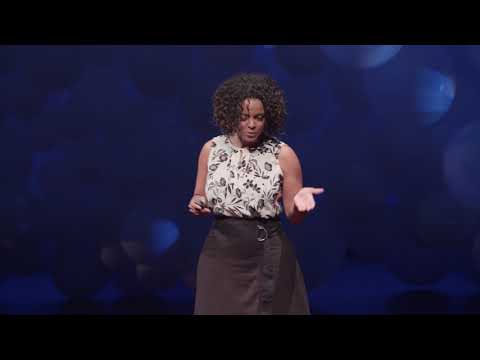
Damaris Hollingsworth, an architect, shares her journey and insights on how intentionally designed spaces can foster community, belonging, and positive interactions among individuals, emphasizing the importance of cultural sensitivity and thoughtful architecture in creating environments that enhance human connections.
Damaris Hollingsworth, an architect, shares her transformative journey and the profound impact that intentionally designed spaces can have on individuals and communities. Through her personal experiences and professional insights, she illustrates how architecture can foster connection, belonging, and positive interactions among people.
At the age of seven, Hollingsworth had a pivotal moment that shaped her aspirations. While sitting in the kitchen with her parents, a powerful and articulate young woman walked in. This woman, an architect, inspired Hollingsworth to dream big despite her father's discouraging words about the accessibility of college for their working-class family.
Fifteen years later, Hollingsworth was admitted to the School of Architecture and Urban Planning at the University of Sao Paulo, Brazil, one of the best architecture schools in the world. However, she faced significant challenges, including being older than her peers, working full-time, and learning in a language that was not her native Portuguese. These factors contributed to her feelings of not belonging.
While trying to hide from her insecurities, Hollingsworth found herself in a beautifully designed building by Brazilian architect Vilanova Artigas. This space, with its open design and lack of barriers, encouraged interaction and community engagement. Despite her initial desire to isolate herself, she began to engage with her peers, leading to meaningful friendships and a sense of belonging.
Hollingsworth's experiences taught her the importance of designing spaces that promote interaction and community. One of her significant accomplishments was the International Pavilion for Northern Arizona University, where she aimed to create a culturally sensitive environment that fostered engagement among students.
During the design process, Hollingsworth proposed incorporating untranslatable words from various languages throughout the building. These words would serve as conversation starters, encouraging students to share their meanings and experiences, thus promoting integration and community.
Hollingsworth emphasizes that places and spaces should be designed to bring out the best in individuals. She argues that the current model of development often prioritizes short-term profits over the long-term impact on people. This perspective overlooks the fundamental human need for belonging, which is crucial for happiness and community building.
Investing in people and creating spaces that foster a sense of belonging can lead to significant returns on investment. Hollingsworth highlights that the greatest ROI comes from developing and maintaining environments that prioritize human connection and cultural sensitivity.
Years after her experience at FAU, Hollingsworth found herself in a corporate environment where she felt a strong sense of belonging due to the diversity of the executive team. This experience reinforced her belief in the importance of representation and the positive impact of a supportive environment on individual well-being and productivity.
Hollingsworth envisions a future where thoughtfully designed spaces can positively impact individuals of all ages and backgrounds. She shares a vision of a community where a 47-year-old man, an 11-year-old boy, and a 41-year-old woman can all find inspiration and belonging through their built environment.
Damaris Hollingsworth's insights remind us that every built environment tells a story and has the power to create meaningful impacts. By prioritizing intentional design that fosters community and connection, we can create spaces that not only serve functional purposes but also enrich the lives of those who occupy them. The challenge lies in ensuring that our designs promote the right kind of interactions and support the development of healthy, balanced communities.
Thank you for exploring the transformative power of architecture with us.