Building Information Modeling (BIM) is a transformative approach in architecture that integrates 3D modeling with data management, enhancing design processes, collaboration, and documentation. This article explores the definition of BIM, its practical applications, the software used, and the challenges faced in the industry.
In the rapidly evolving architecture industry, technologies such as AI and game engines are making waves, yet Building Information Modeling (BIM) remains a foundational element in architectural practice. The demand for architects skilled in BIM is on the rise, significantly outpacing supply. This article delves into what BIM is, how it is utilized in practice, and the challenges currently faced in the industry.
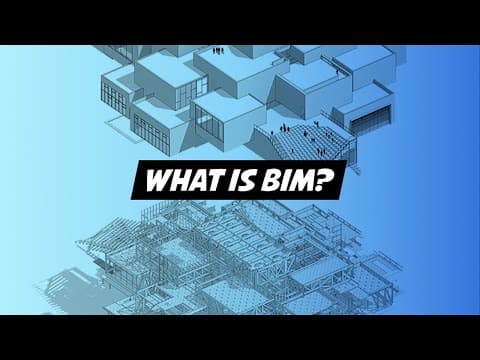
BIM stands for Building Information Modeling. At its core, BIM is a 3D model that is enriched with data and information, transforming simple geometric shapes into meaningful architectural elements. For instance, a column in a BIM model is not just a cube; it contains vital information such as dimensions, materials, and structural properties.
To illustrate the difference between traditional modeling and a BIM environment, consider the following:
BIM represents a shift from the traditional method of maintaining separate 2D and 3D models. Instead of toggling between formats, BIM allows architects to create a single 3D model from which all necessary documentation—plans, sections, and elevations—can be derived. This holistic approach streamlines the design process and enhances collaboration.
With BIM, documentation becomes more efficient. Changes made in the 3D model automatically update all associated drawings, reducing the time spent on manual revisions. Additionally, BIM models can be used in real-time rendering platforms, enabling architects to visualize and experience their designs interactively.
BIM is primarily used in practice to streamline the design process, particularly from early design stages to documentation. Here are the key ways BIM is applied:
The most widely used BIM software in the industry includes:
Computational tools enhance BIM capabilities, with notable mentions including:
While BIM has revolutionized architectural practice, the industry still faces challenges in fully realizing its potential. Key issues include:
BIM is a powerful tool that has transformed the architecture industry by enhancing design processes, improving collaboration, and streamlining documentation. However, the journey towards fully realizing its potential is ongoing, with challenges related to software limitations and industry fragmentation. As technology continues to evolve, the future of BIM looks promising, with the potential for greater integration and efficiency in architectural practice.