In this lecture, we delve into grid structures, a crucial aspect of architectural design and engineering. Having previously explored various structural forms, we now focus on the characteristics and applications of grid structures, which are often recognized by their rectangular or square patterns.
What is a Grid Structure?
A grid structure is fundamentally a two-dimensional resisting structure. To understand its significance, we must first consider one-dimensional structures, such as frame or flat slab structures. In these systems, loads applied to a slab are transmitted to columns, which then transfer the load to the foundation. However, one-dimensional arrangements can lead to inefficiencies, particularly when point loads cause disproportionate deflections in parallel beams.
Transition from One-Dimensional to Two-Dimensional Structures
To overcome the limitations of one-dimensional structures, grid forms are introduced. By incorporating beams in both directions, grid structures allow for more effective load distribution. This is particularly beneficial for foundations, ceilings, and floors, where a flat surface is required.
Advantages of Grid Structures
Grid structures, often referred to as waffle slabs, offer several advantages:
- Material Efficiency: By reducing the amount of material used, grid structures enhance structural efficiency while maintaining stability.
- Load Distribution: The two-dimensional nature of grid structures allows for better load distribution, minimizing deflection and stress concentrations.
- Large Span Capability: Grid structures can support larger spans without the need for excessive columns, making them ideal for spaces like ballrooms, conference halls, and airports.
Types of Grid Structures
Grid structures can be classified based on their arrangement:
- Rectangular Beam Grid: Features a simple rectangular pattern with horizontal and vertical members intersecting at right angles.
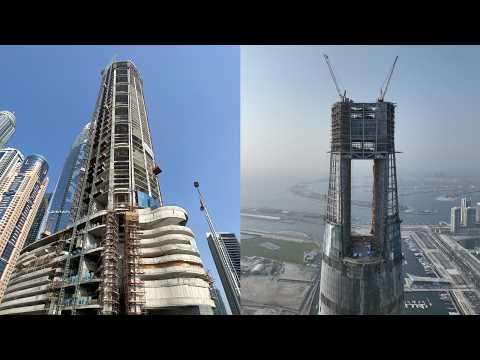
- Diagrid: Comprises diagonal members that provide structural support without being parallel to the main grid.
- Three-Way Grid: Utilizes triangular or hexagonal shapes to create a more complex grid pattern.
- Woven Grid: Characterized by interlacing members, resembling a woven fabric.
Materials Used in Grid Structures
Grid structures can be constructed using various materials, including:
- Reinforced Cement Concrete (RCC): Commonly used for its strength and durability.
- Wood: Often employed in interior designs for aesthetic appeal and structural stability.
- Metal: Utilized in industrial applications and modern architecture for its strength-to-weight ratio.
Applications of Grid Structures
Grid structures are widely used in various architectural and engineering applications:
- Public Spaces: Airports, parking structures, and convention centers often employ grid structures for their ability to cover large spans with minimal columns.
- Historical Architecture: Grid structures have been used historically in Roman and Gothic architecture, often combined with ornamental designs.
- Modern Buildings: Contemporary designs, such as the Mumbai International Airport and Metropol Parasol in Italy, showcase innovative uses of grid structures.
Advantages and Disadvantages
Advantages
- Resists Heavier Loads: Grid structures can support significant loads and are suitable for spans ranging from 7 to 16 meters or more with post-tensioning.
- Economical: Reduced material usage leads to cost savings in construction.
- Aesthetic Appeal: Grid structures can enhance the visual quality of a space, allowing for creative lighting and design elements.
Disadvantages
- Construction Complexity: Requires skilled labor and strict supervision to ensure proper execution and alignment of components.
- Cost of Formwork: Custom molds for casting grid structures can be expensive, especially for unique designs.
- Reduced Headroom: The depth of waffle slabs can limit ceiling height, necessitating taller building designs.
- Lighting and Service Challenges: Integrating lighting and services can be complicated due to the grid pattern.
Conclusion
In summary, grid structures represent a significant advancement in architectural design, offering efficient load distribution and material savings. Their versatility allows for various applications, from public infrastructure to aesthetic enhancements in modern buildings. Understanding the advantages and limitations of grid structures is essential for architects and engineers aiming to create functional and visually appealing spaces.
As we conclude this lecture, we look forward to exploring shell structures in the next session, where we will discuss their applications and types in detail. Thank you for your attention.